

The future of digital design: key trends that will shape the next decade
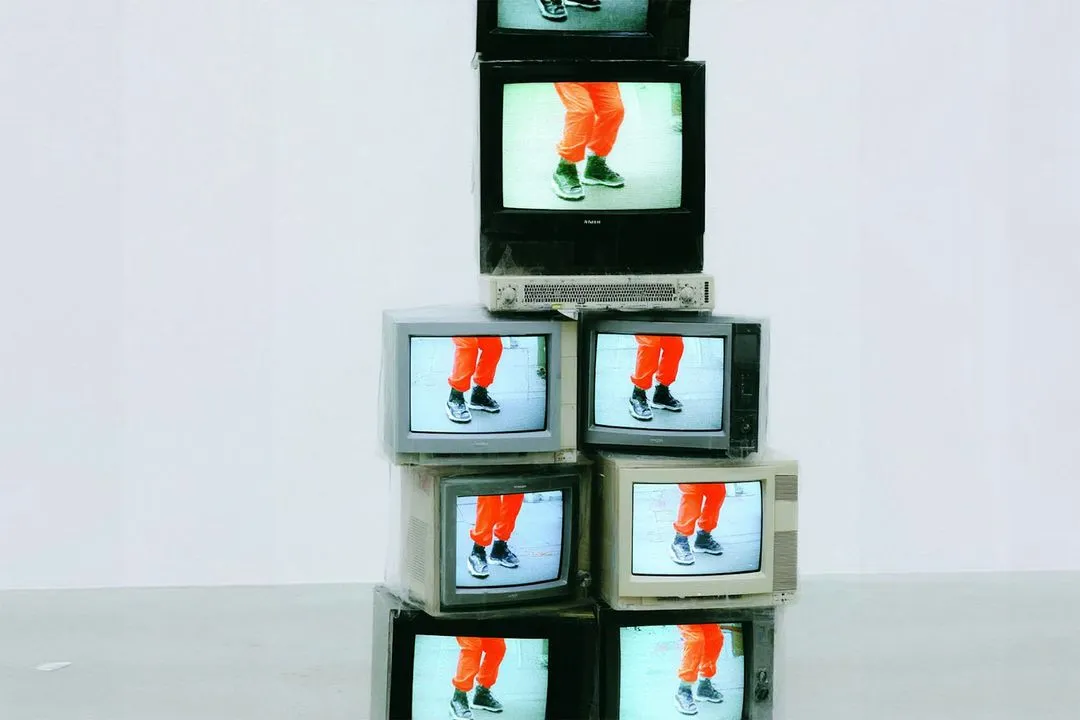
Digital design is evolving faster than ever. As technology advances and human expectations rise, designers are no longer just creators of interfaces — they are architects of experiences, emotions, and digital ecosystems. Over the next decade, a new wave of trends will redefine how we interact with digital products, platforms, and each other.
Here are the most impactful design trends poised to shape the future of digital design.
1. AI-Powered Design and Automation
Artificial intelligence is transforming the design process from ideation to execution.
Expect tools that:
- Generate layouts, color palettes, and illustrations automatically
- Predict user behavior to optimize interfaces
- Personalize every user experience in real time
Designers will become curators and strategists, focusing on high-level decisions while AI handles repetitive tasks.
2. Immersive Experiences: AR, VR & Spatial Interfaces
The line between digital and physical is dissolving.
With augmented reality (AR), virtual reality (VR), and mixed reality (MR):
- Products can leap out of screens into real space
- Interfaces become spatial and 3D
- Users interact with digital content in entirely new ways
From virtual storefronts to AR product demos, immersion will redefine how users perceive digital experiences.
3. Voice and Conversational Interfaces
Touch is no longer the only way to interact.
Voice, chat, and conversational AI will:
- Reduce friction for everyday tasks
- Offer hands-free, context-aware experiences
- Power interfaces in cars, homes, wearables, and more
Designers will need to master language and tone, not just visuals.
4. Inclusive and Ethical Design
Inclusive design will be a baseline expectation, not an afterthought.
Future digital products will prioritize:
- Accessibility for diverse abilities
- Cultural sensitivity and fairness
- Ethical data usage and transparent interfaces
Design systems will embed ethics — ensuring digital experiences are respectful, equitable, and empowering.
5. Personalization at Scale
One design does not fit all.
Through data, context, and machine learning, products will:
- Adapt content, layout, and interaction to individual users
- Use predictive insights to anticipate needs
- Deliver highly relevant and timely experiences
The next decade will see dynamic interfaces that evolve with user behavior.
6. Minimalism, Micro-Interactions & Emotional Design
Less clutter, more meaning.
Design will continue to:
- Embrace simplicity with purposeful elements
- Use micro-interactions to delight and guide
- Focus on emotional resonance, not just efficiency
Emotion-driven design will strengthen bonds between users and brands.
7. Data-Driven and Measurable Design
Gut feel won’t be enough.
Design decisions will increasingly be informed by:
- User analytics and behavioral metrics
- A/B testing and experimentation
- Machine insights mapped to goals
Designers will become hybrid experts — creative thinkers with analytical rigor.
8. Design Systems Everywhere
Consistency at scale will be key.
Design systems will power:
- Cross-platform harmony
- Faster iteration cycles
- Shared language between design and engineering
From startups to enterprises, scalable systems will be the backbone of digital experiences.
9. Sustainable and Green UX
Digital products won’t be judged solely on looks or function — but on impact.
Expect:
- Energy-efficient interfaces
- Reduced data load and carbon footprint
- Design that respects user time and device resources
Sustainability will become a design principle, not just a buzzword.
Final Thought: The future of digital design lies at the intersection of technology, psychology, and ethics. Designers will not just shape screens — they’ll shape human experience.